

.jpg)
Homelessness in the United States is often discussed as a moral issue, but it is equally a financial one. The narrative that people simply need to try harder fails to acknowledge the cost that communities pay every single day when individuals remain without stable housing. When people do not have a place to live, they are pushed into emergency systems that were never designed to function as housing, mental health care, or long term stabilization. These systems absorb enormous budgets and deliver minimal lasting impact.
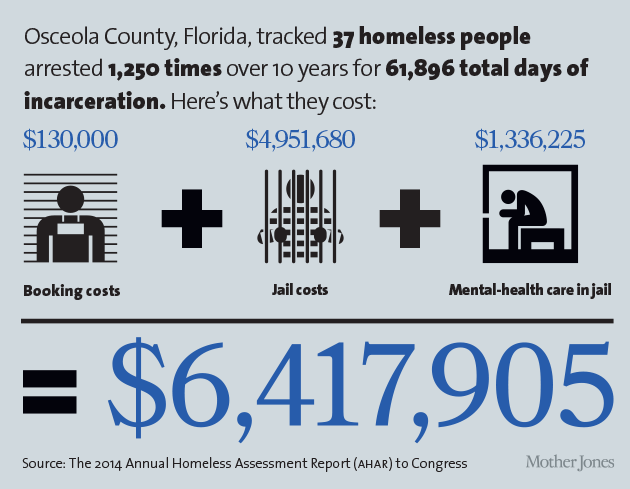
When we break down the actual financial numbers, a clear picture emerges. It costs taxpayers far more to leave someone unhoused than it does to provide stable housing and supportive services. Decades of data from organizations such as HUD and the National Low Income Housing Coalition show that jail stays, emergency rooms, police response, and shelters are all significantly more expensive than permanent supportive housing. At Cherry Willow Apparel, our work around perception change focuses on helping communities understand these truths so we can move toward solutions grounded in both compassion and economic sense.
This blog examines the real cost comparison of jail, emergency shelter, and supportive housing. The numbers speak for themselves. Housing saves money and restores stability, dignity, and community.
The True Cost of Homelessness


When someone remains unsheltered, the cost does not disappear. It shifts into the most expensive and least effective parts of the public system. Police departments, emergency rooms, shelters, and correctional facilities become the default response. These systems absorb costs that would not exist if housing were provided.
Multiple studies across the United States show that leaving one person unhoused can cost taxpayers between 35,000 and 80,000 dollars per year. These expenses accumulate through repeated emergency room visits, paramedic responses, police interactions, nights in jail, and ongoing shelter stays. None of these interventions solve homelessness. All of them drain public budgets.
A single crisis that could have been prevented with stable housing becomes a chain of publicly funded responses. A fall becomes a multi day hospital stay. A mental health episode becomes a police call. A citation for sleeping outside becomes a court date and sometimes a jail stay. These cycles repeat year after year, often involving the same individuals who simply need housing and support.
Comparing the Financial Realities: Jail vs. Shelter vs. Housing
Communities often debate how to address homelessness, but very few openly discuss the financial side. When numbers are compared side by side, the conclusion is unmistakable.
1. The Cost of Jail: The Most Expensive and Least Effective Response

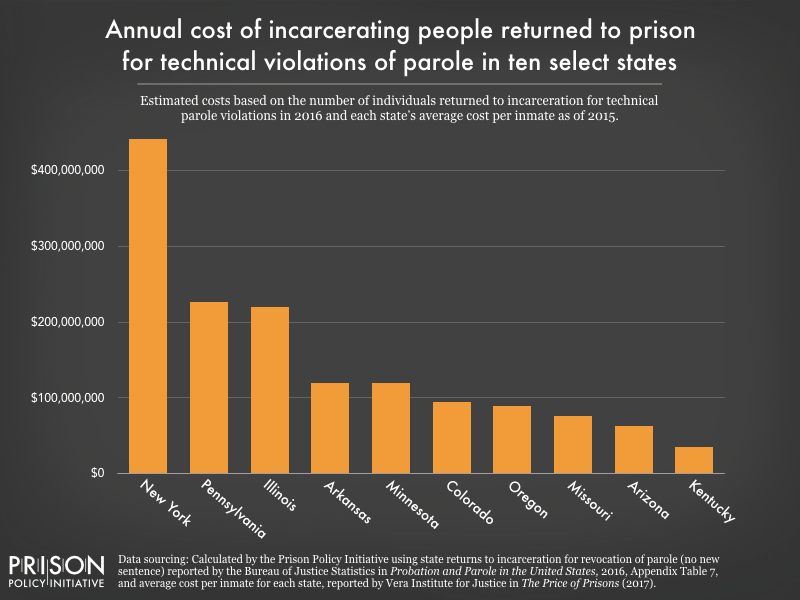
Jail is the costliest response to homelessness. On average, it costs:
90 to 150 dollars per person per day
Which equals 32,850 to 54,750 dollars per year
In many counties, the daily cost of jail exceeds 200 dollars when factoring in staffing, medical care, intake, and facility operations. These numbers rise even higher for individuals with chronic illness or mental health needs, which are common among people experiencing homelessness due to years of instability.
Jail does not resolve homelessness. It increases the likelihood of long term homelessness by disrupting employment, medications, identification documents, and community connections. Every arrest and detainment leads to additional public spending. Criminalization drains resources while moving people further away from stability.
2. The Cost of Emergency Shelters: A Temporary and Costly Bandage

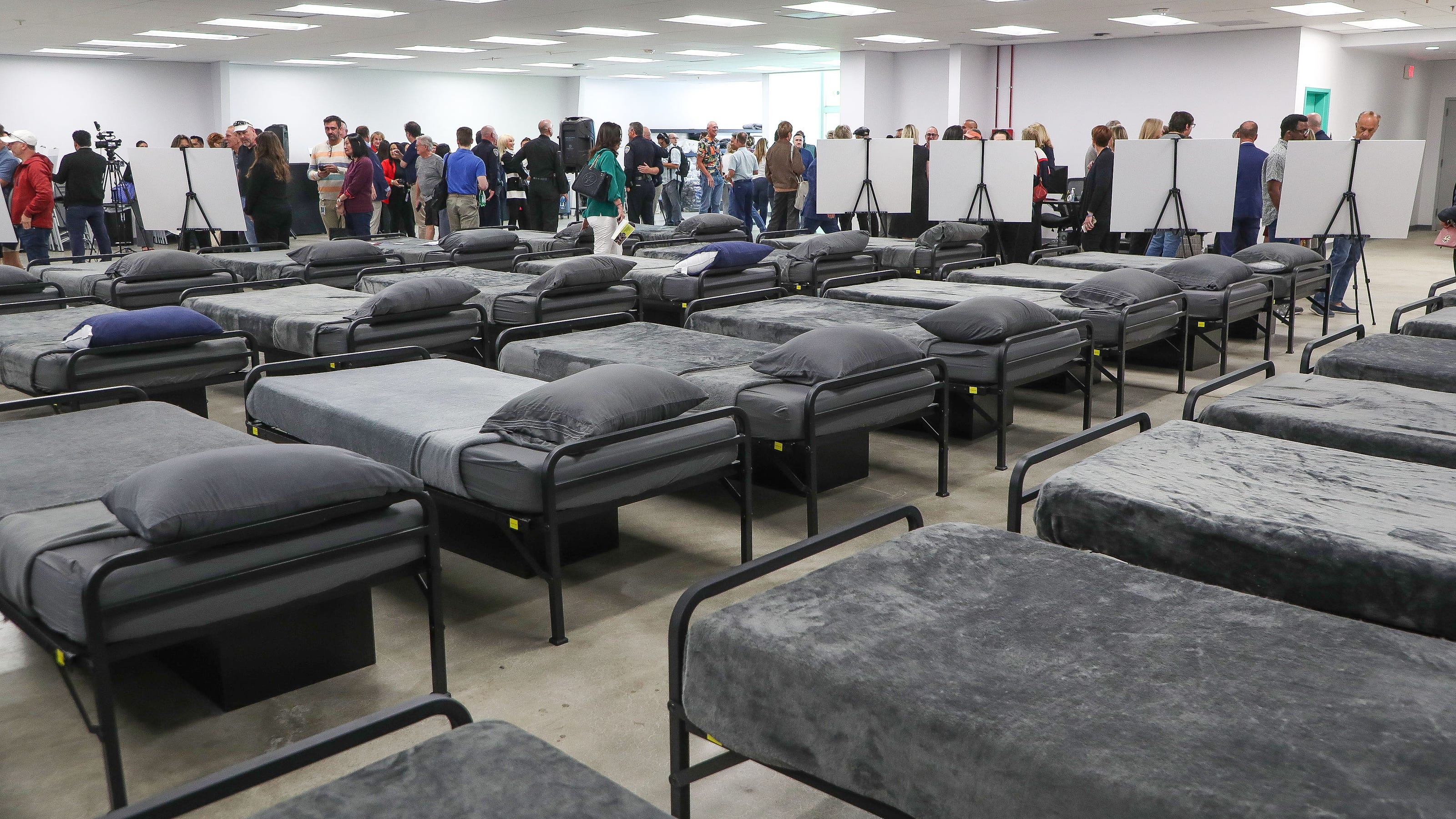
Emergency shelters provide immediate safety but they are not a long term solution. They were not designed to function as permanent housing and their costs reflect that reality.
National averages show that shelters cost:
30 to 100 dollars per person per night
Which equals 10,950 to 36,500 dollars per year
Shelters stop someone from sleeping outside, but they do not reduce homelessness. People cycle in and out because shelter is temporary by design. Without stability, individuals still require ambulance services, police intervention, hospital treatment, and other emergency responses. These costs stack on top of shelter beds, creating a layered financial burden with no long term outcome.
Emergency shelter is an important crisis tool, but it is not a cost effective or sustainable response on its own.
3. The Cost of Supportive Housing: Stability, Dignity, and Real Savings
Permanent supportive housing is the most affordable and most effective response to chronic homelessness. It pairs stable housing with onsite or mobile services that meet people where they are. This includes case management, healthcare navigation, trauma informed support, and employment resources.
The average cost of supportive housing is:
12,000 to 25,000 dollars per person per year
This includes rent subsidies, services, utilities, maintenance, and staffing. These costs are substantially lower than jail, hospital stays, or long term shelter use. Communities that invest in supportive housing consistently see major reductions in public spending because the most expensive forms of emergency response are no longer needed.
People housed in supportive housing programs also have high retention rates, often above 80 percent. Housing creates stability that leads to better health outcomes, increased employment, and long term independence.
How Housing First Generates Measurable Savings
Housing First is a simple concept. Provide housing without preconditions, then layer in services that help people stabilize. This approach has been studied for decades and delivers consistent results. Communities that adopt Housing First models experience:
Significant decreases in emergency room usage
Reductions in police and jail contact
Higher housing stability rates
Lower overall taxpayer spending
When individuals have a safe place to live, they can address everything else in their lives more effectively. Affordable access to healthcare, steady income, and reconnection with support networks all become more realistic when someone is not worried about where they will sleep that night.
Housing First works not because it is idealistic, but because it addresses the root cause of instability. It gives people the foundation required to rebuild.
The Hidden Costs of Criminalization
Criminalization is often promoted as a way to create order or move encampments, but it is one of the least financially sustainable strategies for any community. When someone is cited or arrested for being homeless, the following costs begin to accumulate:
Police time and overtime
Booking and transportation
Court administration
Public defenders and prosecutors
Medical care in jail
Re arrest and repeated intake
Loss of jobs, documents, or medications
These costs compound with every interaction. Nothing about criminalization resolves homelessness. It simply moves people from the street into the most expensive parts of the public system. Communities that rely heavily on punitive approaches ultimately spend more and gain less.
Why Housing Is the Financially Responsible Choice
When we compare all three approaches, the economics are clear. Housing costs less than homelessness. Stable housing paired with supportive services is the only solution that reduces long term public spending while improving community well being.
Key financial truths include:
Housing reduces total taxpayer spending
Emergency responses are the most expensive option
Shelters provide safety but are not long term solutions
Jail is the least cost effective and least humane approach
Supportive housing creates stability that lowers public costs
Housing is infrastructure. It is no different from investing in roads, schools, or hospitals. When communities address homelessness through housing, they strengthen their tax base, reduce strain on emergency systems, and create safer, healthier environments for everyone.
What This Means for Cherry Willow Apparel
Cherry Willow Apparel exists to help shift public understanding around homelessness. The myths about personal failure, unwillingness to work, or lack of effort continue to shape public policy. Our mission is to replace these myths with truth, human stories, and data that shows what actually works.
The economics of homelessness confirm what compassion has always told us. Housing first is the most effective path to stability. It is also the most cost effective. This is why we partner with nonprofits, amplify impact through co branded apparel, and champion perception change campaigns that help communities see homelessness clearly.
Wearable advocacy is a tool for education. Every conversation sparked by our apparel helps move the narrative toward solutions grounded in both dignity and economic truth.
Conclusion
The economics of homelessness demonstrate one clear reality. Communities already spend the money. They just spend it in ways that do not work. Jail stays, emergency rooms, police response, and temporary shelter absorb enormous budgets without reducing homelessness. Permanent supportive housing, on the other hand, costs far less and produces long lasting outcomes that benefit both individuals and taxpayers.
Housing is not only the humane answer. It is the fiscally responsible one. When people are housed, communities thrive. When stability becomes accessible, entire systems begin to function more efficiently and more compassionately.


